
Preparing the climate control system before temperatures rise helps prevent breakdowns during peak season, consumption spikes, and a poor in-store experience. In retail, air conditioning doesn’t just cool: it also influences how long customers stay, staff comfort, and the impression the customer takes away from the space.
When the heat arrives, many businesses switch on the system after months of irregular use and discover too late that performance isn’t what they expected. In our case, working with retail environments across different markets, we often see the same problem: small tune-ups postponed in spring end up becoming urgent incidents in June or July. That’s why it’s worth reviewing commercial air conditioning methodically, rather than simply “checking if it switches on.”
Why you should service a shop’s air conditioning before summer
In a home, a breakdown can be inconvenient. In a retail business, it can affect sales, operations, and the customer experience. An overly hot space reduces comfort, complicates staff workflow, and can cause visitors to leave the shop earlier, especially during peak hours or in locations with high thermal loads from lighting, window displays, or footfall.
Moreover, servicing a shop’s air conditioning before summer allows you to detect, with time to spare, saturated filters, dirty drains, poorly adjusted thermostats, or exterior units with inadequate ventilation. At Óptima Retail, we consistently stress this preventive phase because correcting small issues is far more cost-effective than managing a breakdown with the shop open and the heat already in full force.
- Reduces the risk of outages on peak demand days.
- Improves energy efficiency and helps keep costs under control.
- Avoids complaints from customers and shop staff.
- Extends the lifespan of commercial equipment.
- Makes it easier to schedule interventions without operational impact.
The key is to enter the season with the system already tested, clean, and calibrated to the reality of the space, not when the problem has already become visible.
What to check before running it at full capacity
A summer air conditioning review should start with a basic but well-structured inspection. You don’t need to dismantle half the system to detect many common faults: it’s enough to check cleanliness, airflow, thermostat response, drainage, and the general condition of the units.
With our retail clients, we typically approach this as a staged tune-up: first, verify what’s visible and operational; then decide whether there are signs that require a more thorough technical review. This approach avoids both negligence and over-diagnosis.
1. Filter condition and air quality
Filters are one of the first critical points. If they’re laden with dust, the unit has to work harder to move air and loses effectiveness. The result is twofold: less comfort and higher consumption. In a shop, dirt build-up can be greater due to constant footfall, door openings, or proximity to the street.
It’s worth removing them and checking whether a clean is sufficient or whether replacement is needed. If the system has worked hard during previous campaigns, or if the location is in an area with significant dust, grease, or particles, this point deserves particular attention.
- Look for visible dirt, darkened areas, or saturation.
- Check for unusual odours when starting the unit.
- Factor in actual usage frequency, not just the calendar.
A clean filter doesn’t solve everything, but it does eliminate one of the most common reasons commercial air conditioning stops performing as it should.
2. Thermostat, operating modes, and programming
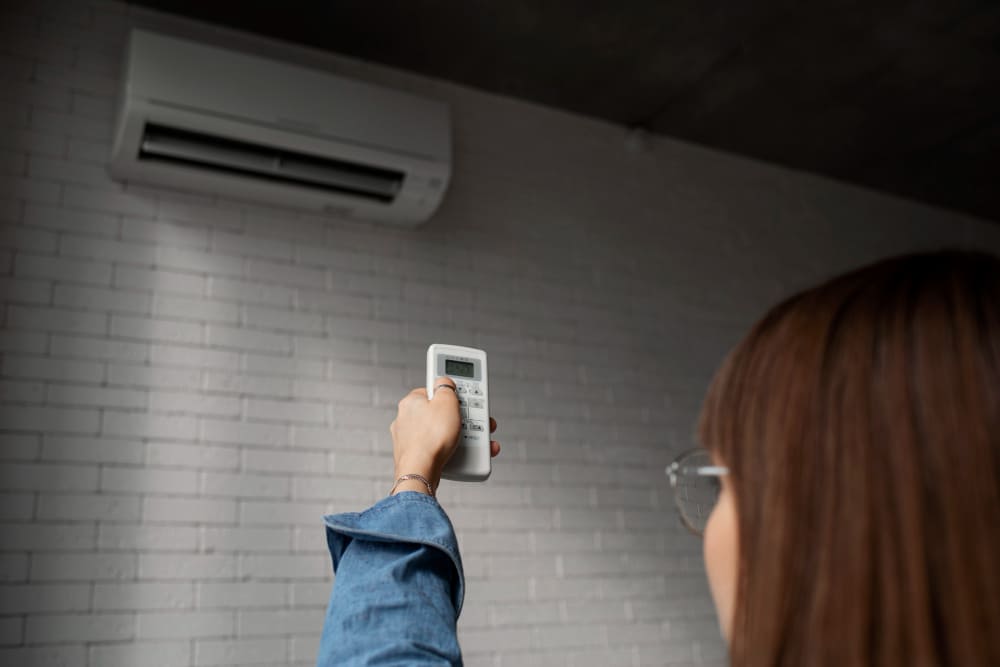
Many problems don’t come from the unit itself, but from poor configuration. Before summer, it’s worth checking that the thermostat responds correctly, that the set temperature makes sense, and that the operating schedules match the business’s actual hours. A poorly programmed system may be starting too early, working too hard, or cooling when it isn’t necessary.
In retail, this aspect is especially important because comfort doesn’t depend solely on what the controller reads. The shop’s orientation, occupancy, window displays, and entrance access all play a role. At Óptima Retail, we typically review these settings with an operational mindset: good climate control isn’t about cooling to the maximum, it’s about maintaining stability without driving up costs.
- Review the set temperature and avoid unnecessary extremes.
- Check schedules and automatic start times.
- Consider energy-saving features if the unit includes them.
When the programming is properly configured, the system works more consistently, and that shows both on the energy bill and in the in-store experience.
3. Outdoor unit and ventilation
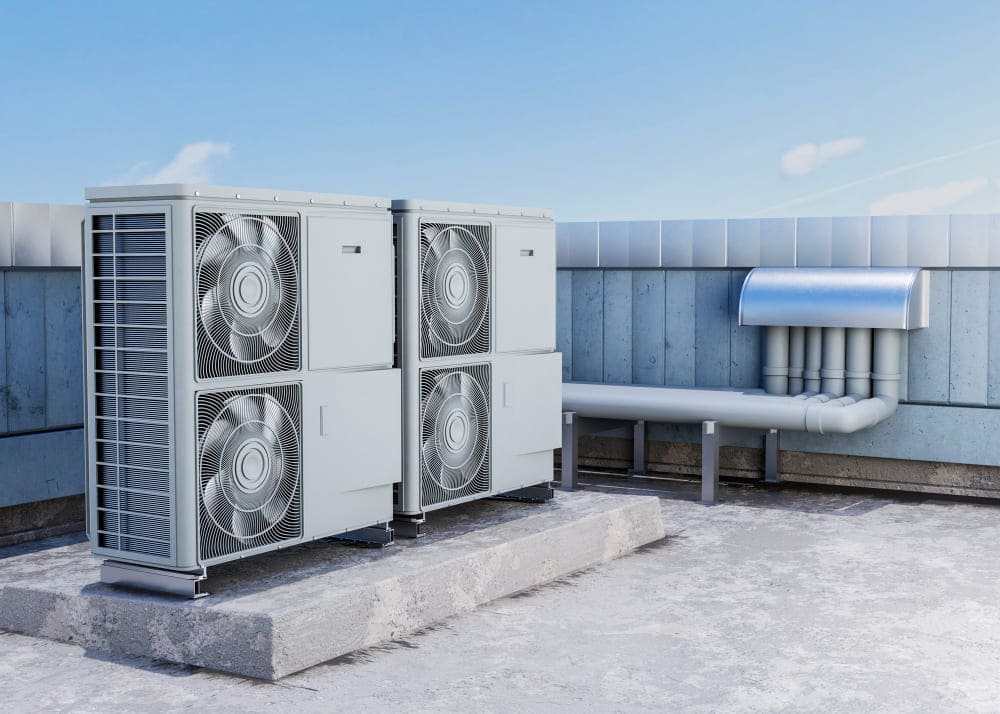
The exterior unit tends to stay out of focus until it fails, but its condition directly affects the performance of the entire system. If there’s accumulated dirt, nearby objects, vegetation, dust, or restricted ventilation, the unit works less efficiently and may overheat.
For shops located in urban areas or high-traffic zones, this check is even more relevant. Exposure to pollution, pollen, or debris can cause deterioration faster than expected. That’s why preparing commercial air conditioning requires confirming that the exterior unit has proper airflow and isn’t operating under forced conditions.
- Remove surface dirt and anything obstructing airflow.
- Check for unusual noises or vibrations.
- Inspect the general condition of visible grilles and fins.
If the exterior unit shows dents, corrosion, abnormal noises, or signs of irregular operation, this is no longer a simple tune-up, it’s a technical inspection that shouldn’t be delayed.
4. Drainage, humidity, and possible leaks
A partially blocked drain can go unnoticed until drips, moisture, or bad odours appear. In a commercial environment, this doesn’t just affect comfort — it can also damage finishes, furniture, or customer-facing areas. Checking the drain and the unit’s behaviour on start-up is a straightforward way to get ahead of the problem.
If, when switching on the system, persistent odours appear, water accumulates around the interior unit, or cooling performance feels poor, it’s worth stopping there. In our experience, these symptoms typically indicate there’s something beyond simple surface dirt.
5. Real performance when starting up
The definitive test comes when you switch the system on and observe its behaviour carefully. It’s not enough for it to simply start. You need to check whether it cools steadily, whether the airflow is uniform, whether it reaches the intended temperature, and whether it does so without unusual noises or irregular cycles.
With our clients, a useful check involves comparing the thermal feel across different areas of the shop: entrance, checkout, fitting rooms, display area, or stockroom. This review helps identify common imbalances in retail spaces, where not every area necessarily receives the same level of climate control.
Checklist for preparing AA for summer in a shop
To avoid leaving anything unchecked, it helps to turn the review into a clear sequence. This checklist serves as a starting point for an initial internal check before deciding whether a specialist intervention is needed.
The important thing isn’t to rush through it, but to use it to identify real deviations. If one or more points fail, you already have an objective signal that the system needs more attention.ily receives the same level of climate control.
- Clean or inspect filters in the interior unit.
- Check thermostat and programming against commercial operating hours.
- Verify airflow and uniformity across different areas of the shop.
- Inspect the outdoor unit and its ventilation.
- Check drainage and any drips or moisture.
- Detect unusual odours, noises, or vibrations.
- Observe the unit’s response time on start-up.
- Confirm the shop maintains comfort without setting the temperature excessively low.
This initial check already gives a fairly reliable picture of the system’s condition — and, above all, prevents a summer air conditioning review from becoming a delayed reaction.
Signs that a basic check isn’t enough
Some businesses can resolve the tune-up with cleaning, adjustment, and a visual inspection. But in other cases, signs appear indicating the problem requires qualified personnel. This is where caution matters: interfering with certain components without the right tools or knowledge can worsen the fault or delay the solution.
At Óptima Retail, we draw a clear distinction between basic maintenance and the need for technical intervention. That boundary matters greatly in retail, because a wrong call typically translates into more downtime and greater accumulated costs.
- The unit cools poorly even after a basic clean.
- There are recurring water leaks or moisture.
- Persistent odours appear on start-up.
- Abnormal noises or intense vibrations are heard.
- Energy consumption rises without explanation.
- Certain areas of the shop have no thermal coverage.
- The system starts and stops with irregular behaviour.
When these symptoms appear, the sensible step is to escalate the review. If you need professional support to diagnose or carry out maintenance, you can request air conditioning servicing tailored to commercial environments.
When is it appropriate to act?
The best time to review the system is before the first serious heat wave hits. Waiting until the shop starts to feel uncomfortable typically means tighter technical schedules and less room to make corrections calmly. Prevention works best when there’s still no urgency.
With our clients, the recommendation is simple: don’t leave climate control until the moment it becomes indispensable. If your business depends on a carefully managed in-store experience, an early review allows you to enter the season with more control, less risk, and better efficiency.
In the end, preparing a shop’s air conditioning before summer isn’t just about cleaning filters or switching the unit on to try your luck. It’s about reviewing the system with a commercial mindset, identifying warning signs, and deciding in time when a tune-up is sufficient and when specialist support is needed. That distinction is what prevents a technical incident from disrupting business operations precisely when you need everything to perform at its best.